


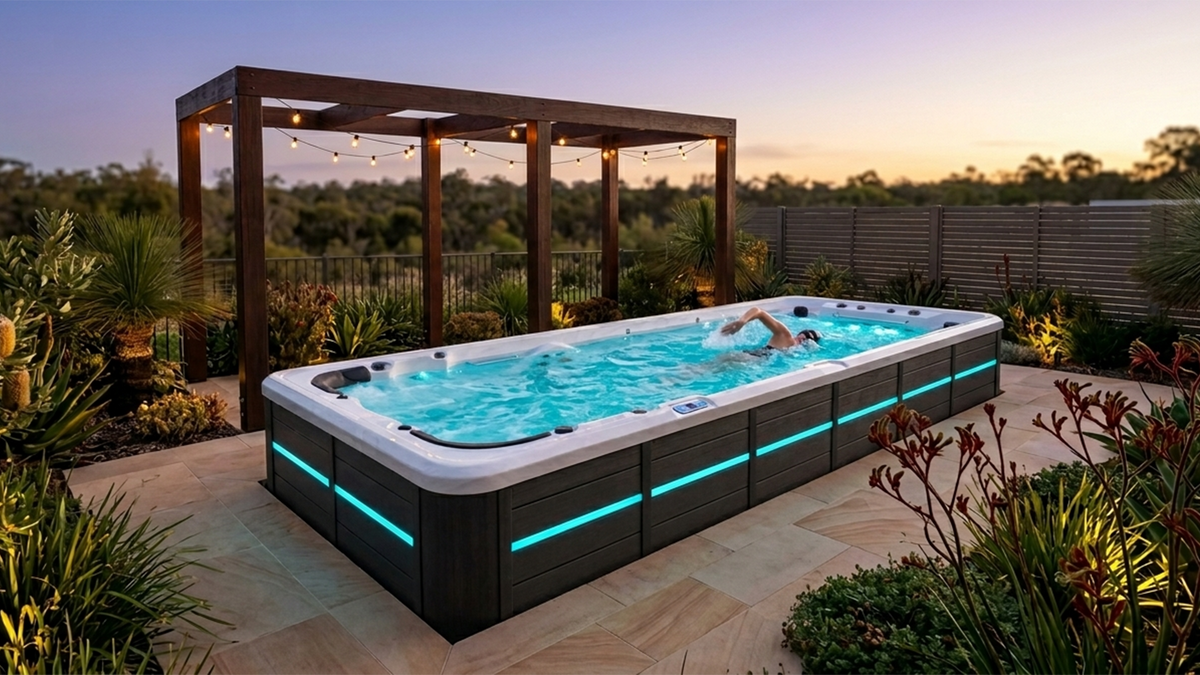
Spa running cost is driven by the whole system and how it is used. The biggest practical factors include heat loss, cover condition, water temperature, climate, wind exposure, water volume, filtration settings, pump use and electricity tariff.
There is no accurate universal annual or monthly electricity figure for every Australian spa installation.
A well-fitting thermal cover helps reduce heat loss from the water surface when the spa is not in use. Inspect the cover for damage, poor fit or waterlogging and maintain it according to its instructions.
Insulation systems vary. Some current models publish ecoWARM™ Thermal Guardian Technology construction, while selected models publish ecoWARM™ Thermal Guardian or other model-specific systems. Do not assume the same insulation applies across every spa. See Spa Insulation & Energy Efficiency.
Higher set temperatures generally increase heating demand, particularly in colder weather. Choose a comfortable setting within the product operating range rather than automatically using the maximum.
Water volume influences heating demand, but a smaller spa is not guaranteed to have a specific lower bill. Compare actual household use, insulation, cover, climate and equipment as well as size.
Keep filters and circulation systems maintained according to current product instructions. Reduced flow or equipment faults can affect normal operation.
Wind exposure and cold ambient conditions can increase heat loss. Site planning can help, but do not block required equipment ventilation or service access.
A 32A supply rating is not the same thing as continuous electricity use, and it does not mean a spa consumes twice the energy of a 15A model. Actual energy is measured in kWh and depends on how the equipment operates over time.
Many current Spas Wholesale models publish USA Balboa controls and selected models publish Imported U.S. Lucite® Acrylic. Other products publish different constructions. These component names do not, by themselves, prove a fixed energy saving.
Without a controlled model-specific test, we do not claim that a particular insulation system reduces heat loss by a fixed percentage or that lowering the thermostat by one degree saves a fixed percentage of electricity.
Spa Running Cost Australia · Insulation Guide · Electrical Requirements by Model · Evidence Centre
Updated: 25 August 2026.
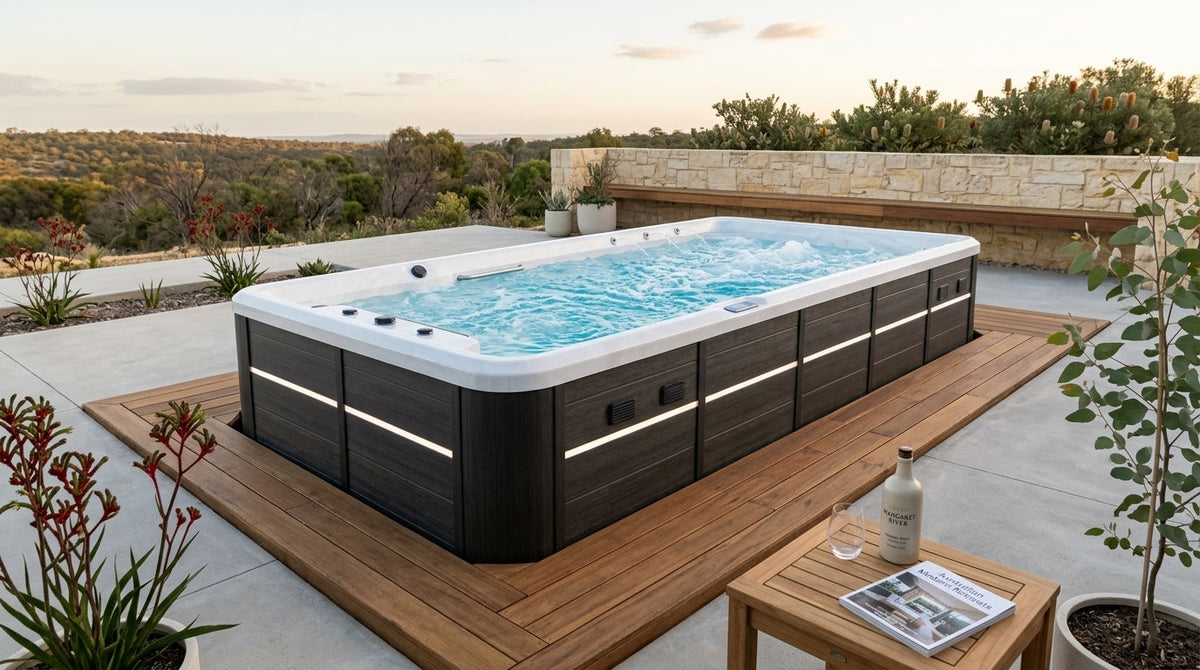
Plunge Pool Australia: Complete Buyer’s Guide for Australian Backyards 2026
Planning a plunge pool in Australia? Compare pool types, small-backyard options, climate, installation, heating, costs and swim spa alternatives before you build.
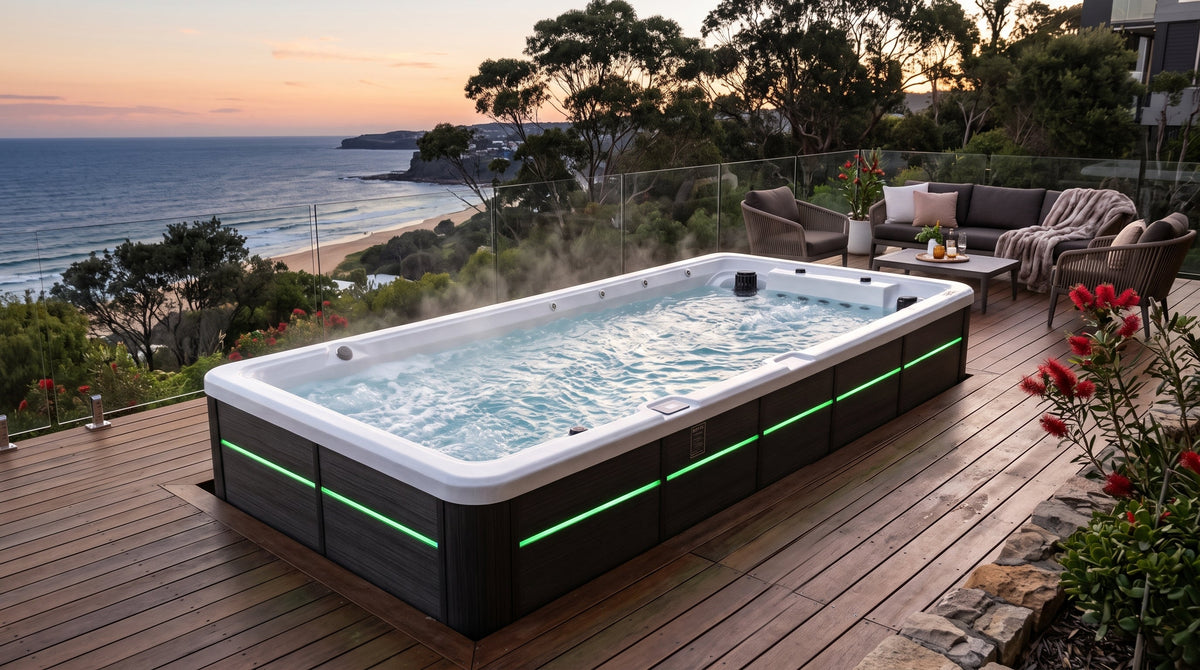
What Is a Plunge Pool? Sizes, Uses, Pros, Cons & Alternatives
What is a plunge pool? Learn how plunge pools differ from swimming pools, spas and swim spas, including sizes, uses, installation, benefits and limitations.
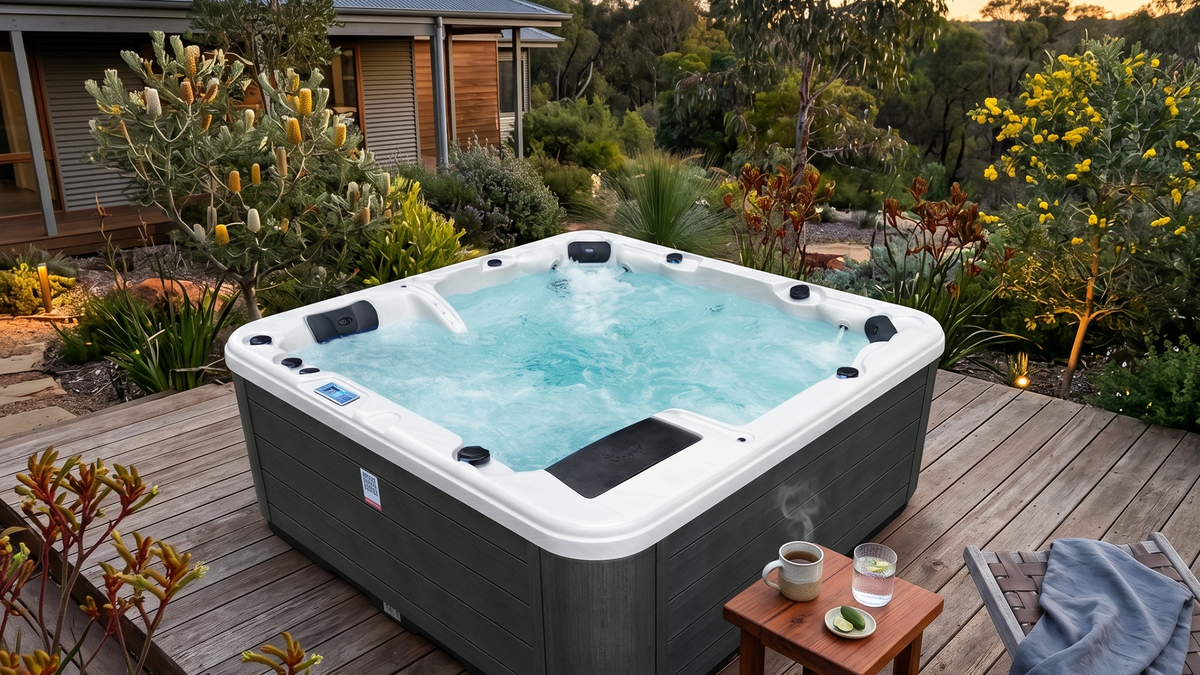
Portable Hot Tub Australia: Inflatable vs Rigid Hot Tub Buying Guide
Looking for a portable hot tub in Australia? Compare inflatable and rigid self-contained hot tubs, including size, power, massage, installation, insulation and warranty.

Mon–Fri: 9 am–9 pm
Sat–Sun: 9 am–3 pm
© 2026 Spas Wholesale. Proudly Serving Australian Families.


How to Choose the Right Swim Spa Size for Your Backyard
Sauna vs Spa Pool: Which Better Suits Your Home Wellness Setup?