EOFY SALE
UP TO 50% OFF
WARM UP THIS WINTER

How Much Does a Spa Pool Cost to Run in Australia? (2026 Guide)

Running costs are one of the most searched questions among Australian spa pool buyers — and one of the most important. A $5,000 spa pool that costs $15/day to run is a worse deal than a $9,000 spa pool that costs $2/day. Understanding what drives running costs helps you compare models honestly and budget accurately.

This guide gives specific, city-by-city electricity estimates based on real Australian conditions, plus the key factors that determine whether your spa pool is cheap or expensive to run.

The Short Answer: What Do Spa Pools Cost to Run in Australia?

City Daily Cost (Hardwired, Full-Foam) Monthly Cost Annual Cost
Brisbane / Gold Coast $1.50–$2.50 $45–$75 $540–$900
Sydney $1.80–$3.00 $55–$90 $660–$1,080
Perth / Adelaide $1.50–$3.00 $45–$90 $540–$1,080
Melbourne $2.00–$4.00 $60–$120 $720–$1,440
Hobart / ACT $2.50–$5.00 $75–$150 $900–$1,800

Based on: daily use (1 hour), hardwired model, full-foam insulation, quality thermal cover, average 2026 Australian electricity tariffs (~30c/kWh). Actual costs vary by tariff, usage, and maintenance.

What Determines How Much a Spa Pool Costs to Run?

1. Insulation Type (Biggest Factor)

Insulation is the single biggest determinant of spa pool running costs — bigger than size, jet count, or brand.

  • Full-foam insulation: Factory-injected foam fills the entire cabinet wall. Reduces heat loss by up to 40% compared to partial foam. All Spas Wholesale spa pools include full-foam insulation as standard.
  • Partial-foam insulation: Foam only around the shell or in sections. Common in budget retail models. Significantly higher running costs.
  • No insulation: Some portable entry-level models. Highest running costs; not recommended for Australian climates.

Cost difference: A full-foam spa pool typically costs $400–$800 less per year to run than a partial-foam equivalent in Melbourne or Hobart.

2. Thermal Cover Quality

Up to 70% of a spa pool’s heat loss occurs through the top surface when uncovered. A quality insulated cover (50mm+ thickness, tight-fitting, with locking clips) is essential for minimising running costs.

All Spas Wholesale spa pools include an insulated thermal cover. Keep it on whenever the spa is not in use.

3. Climate / Location

Colder ambient temperatures require more energy to maintain target water temperature. Brisbane and Perth have the lowest running costs because the climate is mild. Melbourne and Hobart require significantly more energy in winter.

4. Target Temperature

Each degree of temperature above ambient requires energy to maintain. Running your spa at 36°C costs less than 40°C. Most users find 37–38°C ideal — hot enough for genuine therapeutic benefit without maximum energy consumption.

5. Usage Frequency

A spa pool set to hold temperature 24/7 costs the same regardless of how often you use it. The economics favour frequent use — if you’re using your spa pool 4–5 times per week, the per-session cost drops dramatically.

6. Plug & Play vs Hardwired

Plug & Play models (10–15A) are slightly less efficient at maintaining temperature when used frequently. Hardwired models (32A) have more powerful heating systems and recover temperature faster after use, which can reduce overall energy consumption for frequent users. The difference is typically $5–15/month.

7. Electricity Tariff

Running your spa’s heating during off-peak tariff hours (typically 10pm–7am) can reduce electricity costs by 30–50% if you’re on a time-of-use tariff. Program your spa to heat overnight and maintain temperature through the day.

Swim Spa Running Costs (Larger Water Volume)

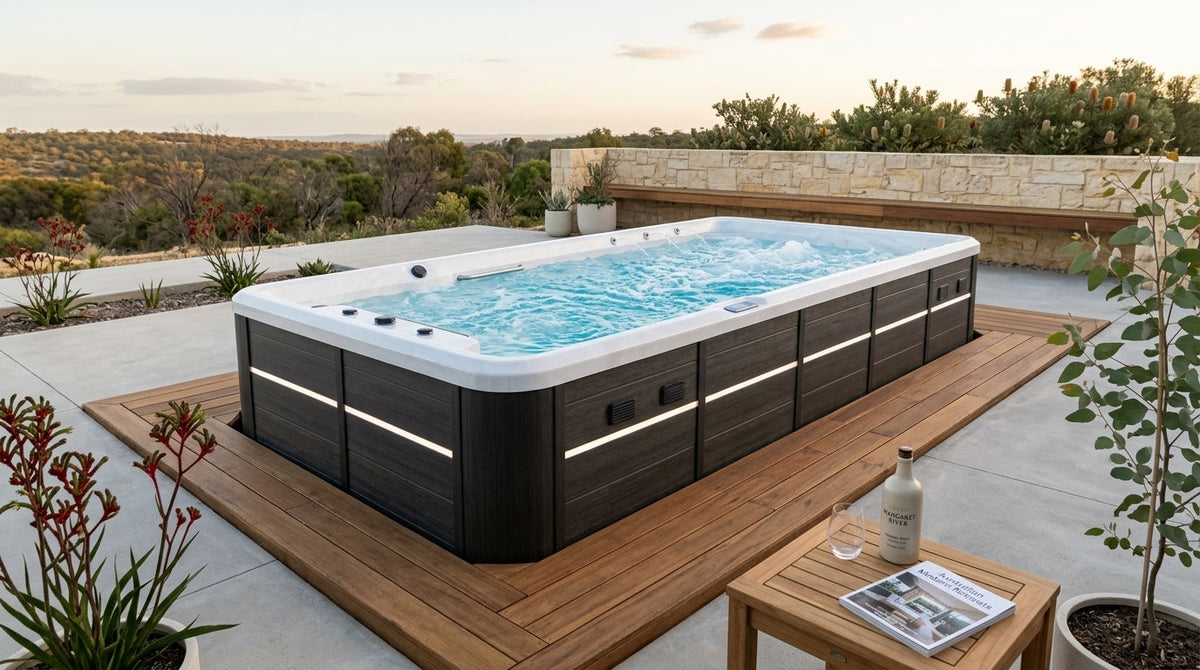
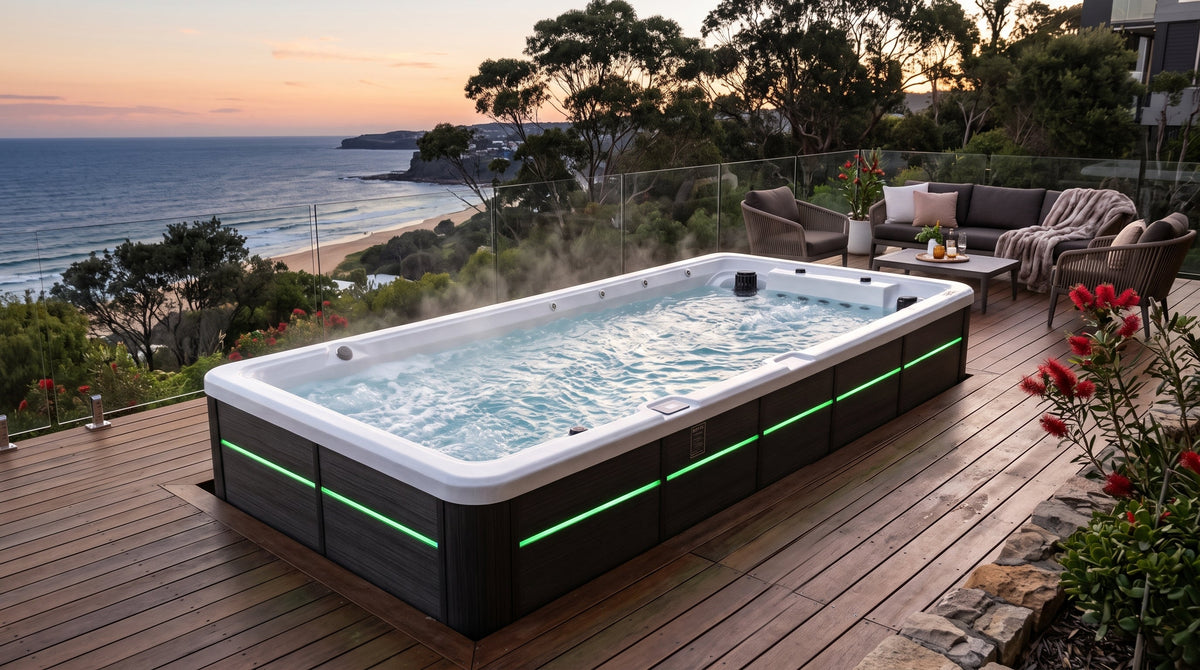
Swim spas contain 4–6x more water than spa pools, so running costs are proportionally higher:

City Daily Cost (Swim Spa, Full-Foam) Monthly Cost
Brisbane / Perth $2–$4 $60–$120
Sydney / Adelaide $2.50–$5 $75–$150
Melbourne $3–$6 $90–$180
Hobart $4–$8 $120–$240

How to Minimise Your Spa Pool Running Costs

  1. Always close the cover when the spa isn’t in use — this single habit reduces running costs by 30–40%
  2. Set temperature to 37–38°C rather than the maximum 40°C
  3. Schedule heating overnight on off-peak electricity tariff rates
  4. Use solar panels to offset spa pool electricity use (a 5kW system can cover most or all spa running costs)
  5. Check insulation integrity annually — damaged or waterlogged insulation loses efficiency significantly
  6. Maintain water chemistry — correctly balanced water reduces filter load and pump run time

Is a Spa Pool Worth the Running Cost?

At $60–$120/month in most Australian cities, a spa pool costs roughly the same as a streaming service and a coffee subscription combined. For daily users who would otherwise spend money on gym memberships, physiotherapy appointments, or resort spas, the economics are overwhelmingly positive.

The key is choosing a well-insulated model (full-foam, quality cover) from a factory-direct supplier like Spas Wholesale — rather than a budget retail model with poor insulation that appears cheaper upfront but costs significantly more to run over 10–20 years.

FAQ: Spa Pool Running Costs

How much electricity does a spa pool use per month in Australia?

A full-foam insulated hardwired spa pool uses approximately 150–400 kWh per month depending on climate, usage, and target temperature. At 30c/kWh average, this represents $45–$120/month. Brisbane and Perth sit at the lower end; Melbourne and Hobart at the upper end.

Does a spa pool run up your electricity bill significantly?

For most households, a well-insulated spa pool adds $50–$120/month to electricity bills. This is meaningful but manageable — equivalent to an additional appliance rather than a major lifestyle cost. Choosing full-foam insulation and using your spa pool regularly (rather than occasionally) improves the cost-per-use economics significantly.

Are Spas Wholesale spa pools energy efficient?

Yes. All Spas Wholesale spa pools include full-foam cabinet insulation and quality insulated thermal covers — the two most important factors in energy efficiency. Our models are designed and tested for Australian conditions across all climate zones.

How much does it cost to heat a spa pool from cold?

Heating a spa pool from ambient temperature (say 20°C) to 38°C typically takes 6–12 hours for a standard 4–5 person hardwired model. The energy cost for this initial heat-up is approximately $3–$8 depending on water volume and heater power. Most owners heat their spa pool once and then maintain temperature continuously, which is more economical than repeated heat-from-cold cycles.

Want to know the running costs for a specific model? Contact our team — we’ll give you a personalised estimate for your city and usage pattern. Available 7 days a week.

Latest Blogs

View all

Spa Pool Maintenance Guide Australia: How to Keep Your Spa Crystal Clear

Complete spa pool maintenance guide for Australian owners. Weekly chemical routine, water changes, filter cleaning, and troubleshooting for crystal clear water all year.

Read more

Best Spa Pool for Families in Australia (2026): Top Models Compared

The best family spa pools in Australia for 2026, ranked by size, features, price, and value. Factory-direct recommendations for families of 3, 4, 5, 6, and 7+.

Read more

Spa Pool vs Swim Spa: Which Is Right for Your Australian Backyard?

The key differences between spa pools and swim spas explained for Australian buyers. Covers size, price, fitness use, running costs, and which type suits which household.

Read more

top